


On November 27, 2020, Mohsen Fakhrizadeh, the physicist widely regarded as the architect of Iran’s military nuclear research, was driving with his wife on a highway east of Tehran when a machine gun mounted on a parked pickup truck opened fire. No assassin was present. The weapon, later reported to be an AI-assisted, remote-operated device, was fired from over a thousand kilometers away and then destroyed by an explosive charge to erase the evidence [1]. Israel has never formally claimed responsibility. Iran blamed Mossad. No state declared war.
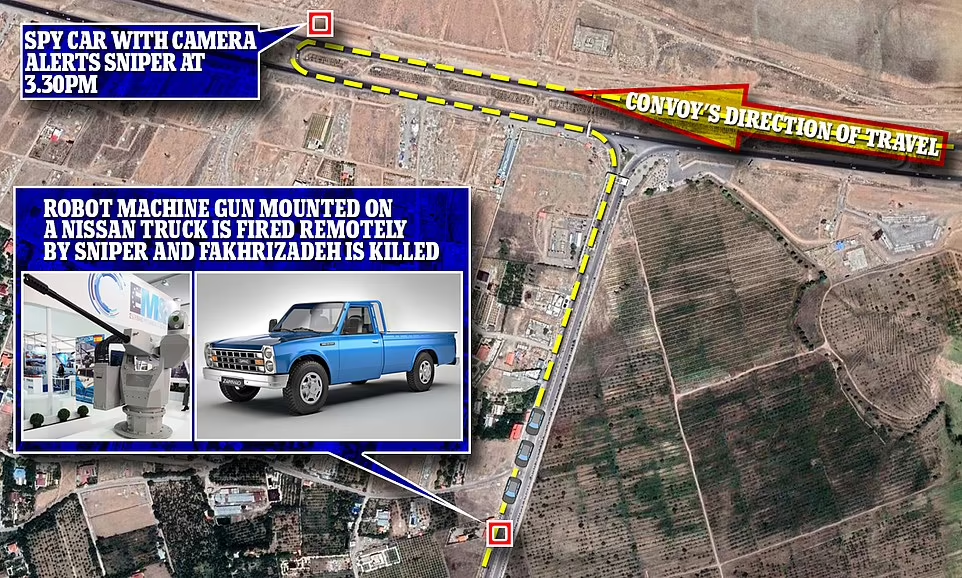
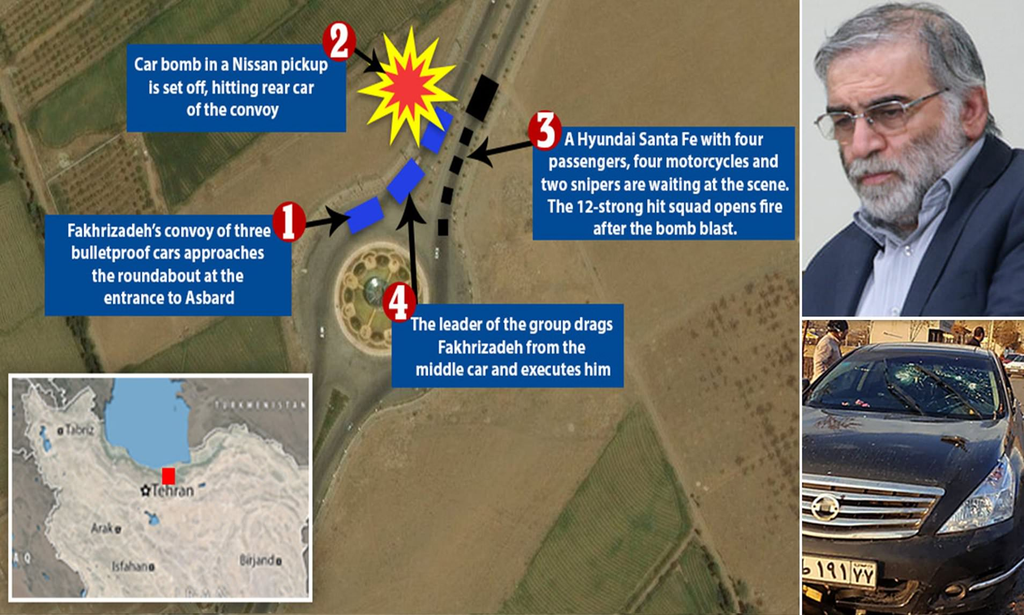
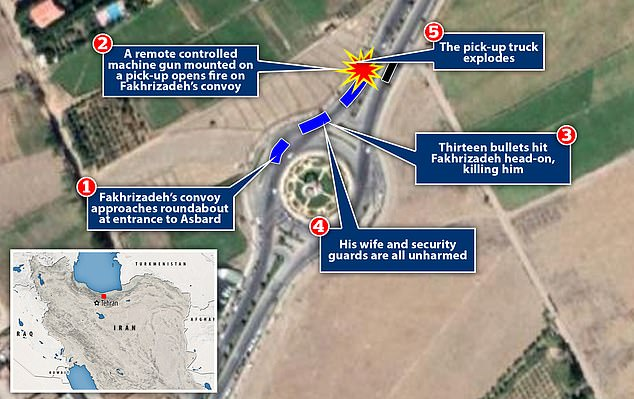
The killing looks, at first glance, like a product of this century; satellite links, artificial intelligence, a weapon that needed no one standing behind it. But the shadow war it belongs to is not recent at all. Its roots run back to August 1953, when the Central Intelligence Agency (CIA) and Britain’s MI6 orchestrated the overthrow of Iran’s elected prime minister, Mohammad Mossadegh, after he moved to nationalize the country’s oil industry, an operation the CIA itself would not officially acknowledge for sixty years [2].
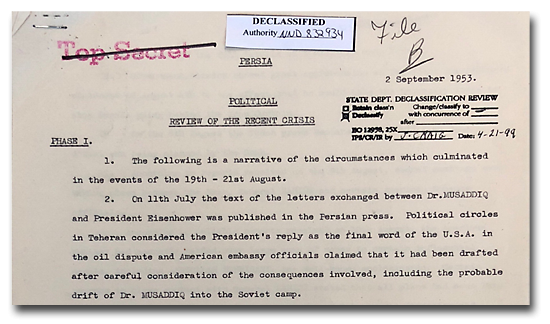
Image Description: Declassified British memo alleging that large sums of money were sent from the US Embassy in Tehran to influential Iranian figures before the August 19, 1953 coup, alongside references to the CIA’s internal history The Battle for Iran.
For the above, fetch images from the links attached and create image gallery embedded in the article on website.
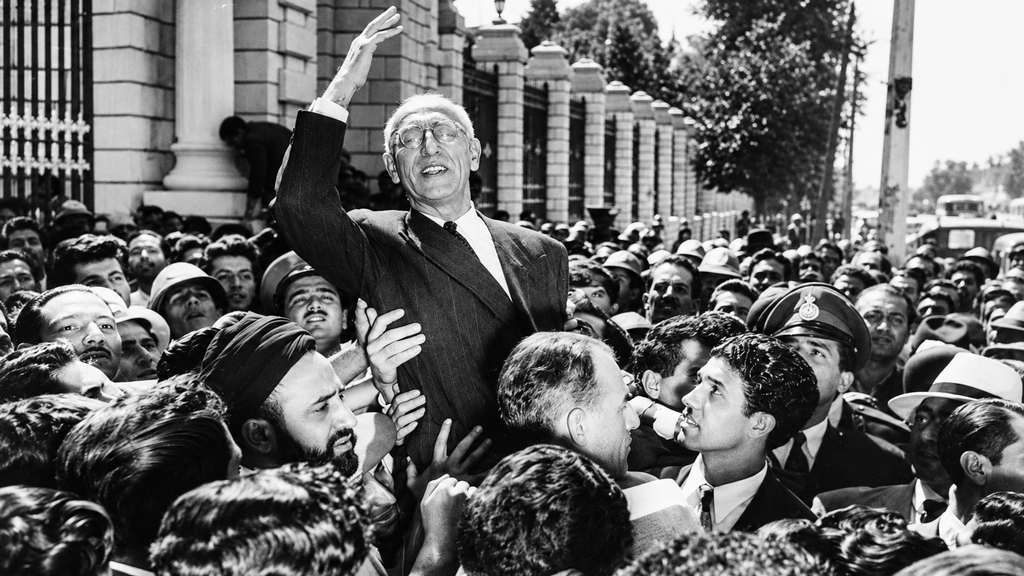
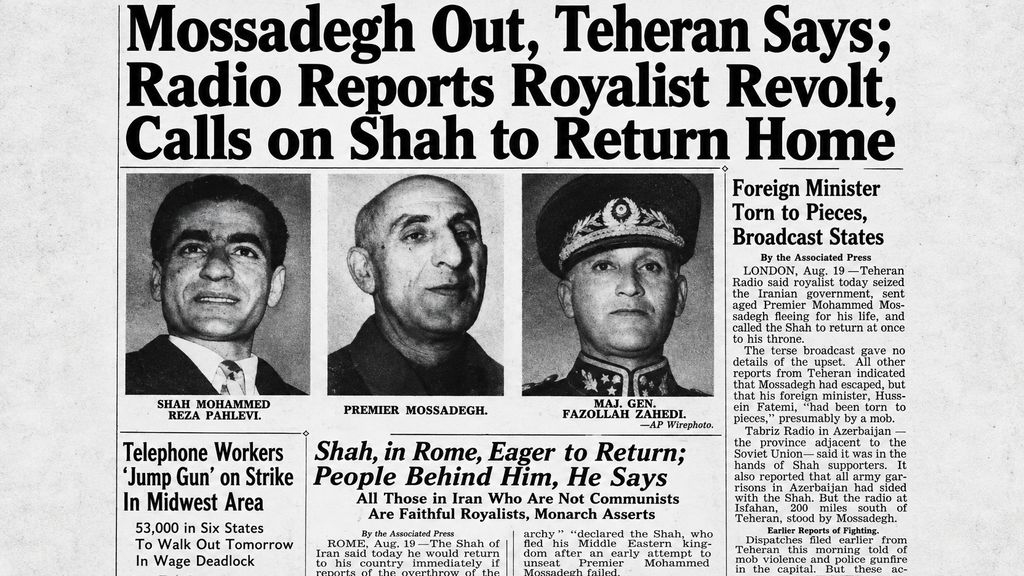
That coup installed the Shah, entrenched decades of Western intelligence access inside Iran, and produced, in 1979, the revolution and hostage crisis that inverted the relationship entirely.
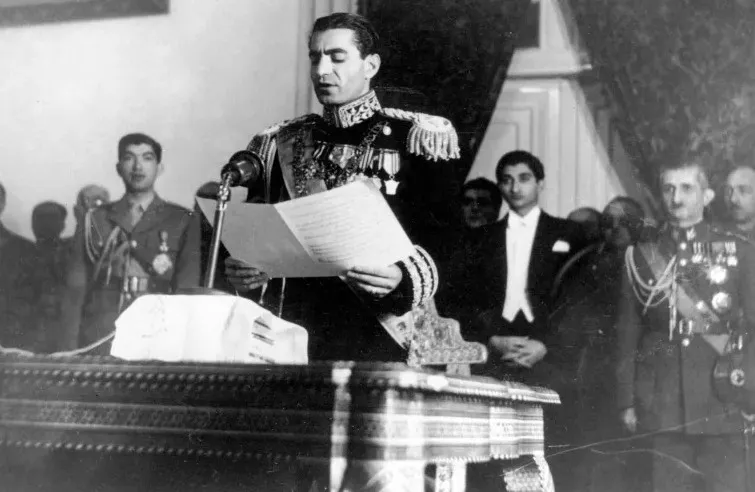
What followed was not open war but four decades of intelligence-led contest involving sabotage, cyber operations, sanctions, and targeted killings, absorbing the violence that a conventional war between these states would have made catastrophic for the whole region.
The 2010 discovery of Stuxnet, a piece of malware jointly attributed to American and Israeli intelligence that physically destroyed centrifuges at Iran’s Natanz enrichment site without a single soldier crossing a border, was one chapter in that contest [3]. Fakhrizadeh’s killing a decade later was another.
In February 2026, the shadow war finally tipped into open war. Israeli and American strikes killed Iran’s supreme leader and struck military and nuclear infrastructure directly. Iran answered with missiles and by closing the Strait of Hormuz, and a Pakistan-mediated ceasefire that followed has since proven fragile, with both sides trading strikes over alleged violations and a durable settlement still unresolved as of this writing [4]. This piece returns to that unresolved case at the end. For now, it is enough to note that few conflicts illustrate more clearly how long a grey zone can run, and how suddenly it can stop being grey.
A Word for Something Very Old
“Grey zone” is a term that entered serious use in US and allied strategic circles only in the 2010s, and it remains, in the words of RAND analyst Michael Mazarr, “ill-defined and poorly understood” even among the practitioners who use it most [5]. Mazarr’s working definition describes grey zone strategies as campaigns that pursue political objectives through integrated, mostly nonmilitary means; that deliberately remain below the thresholds that would trigger a conventional military response; and that advance gradually, rather than seeking a fast, decisive result [6]. A neighboring American term is hybrid warfare, popularized in 2007 by US Marine officer Frank Hoffman to describe adversaries blending conventional force, irregular tactics, and criminal activity within a single campaign [7].
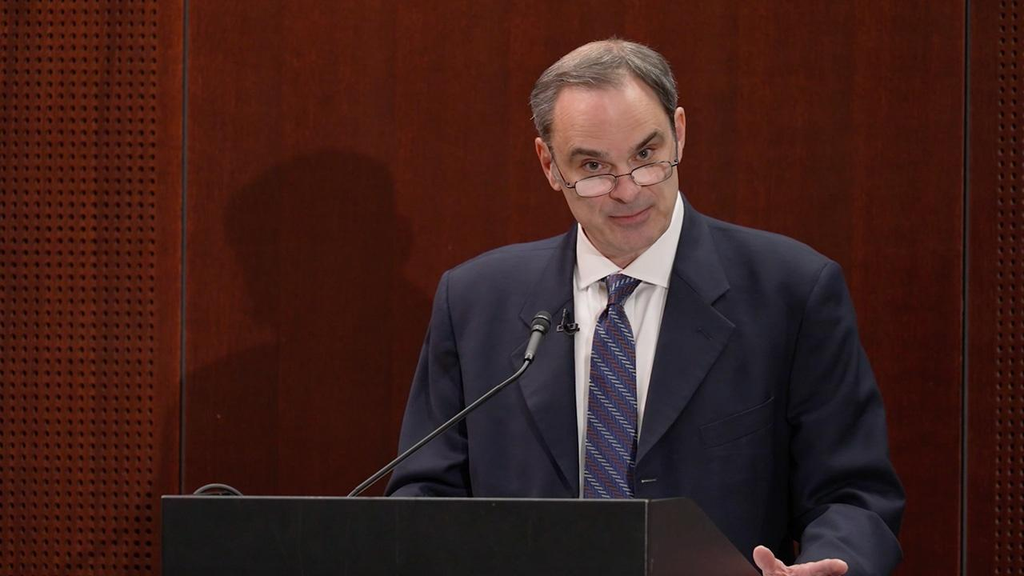
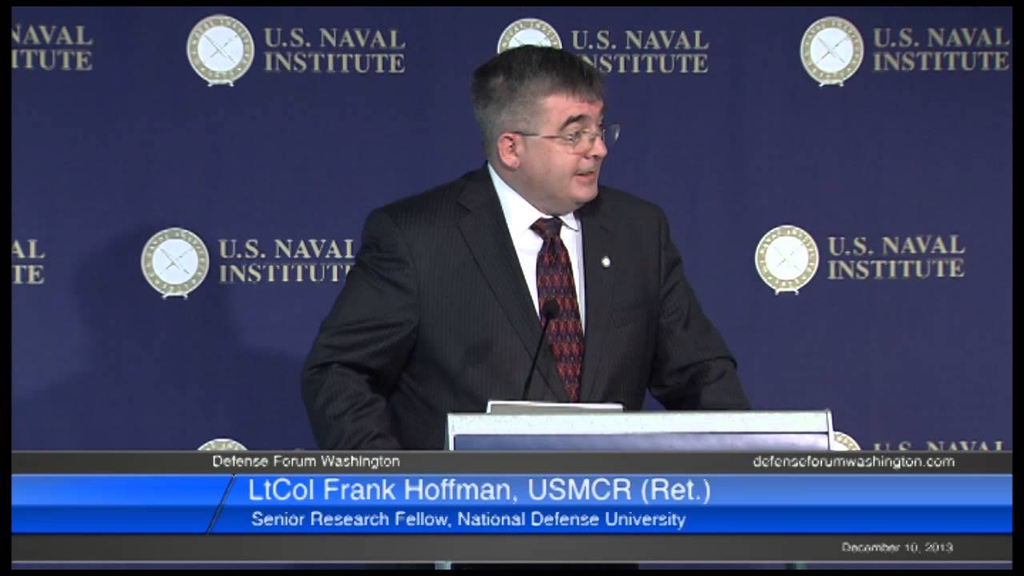
What is easy to miss, reading only the American literature, is that Chinese and Russian military thinkers reached strikingly similar conclusions independently, and in China’s case, earlier.
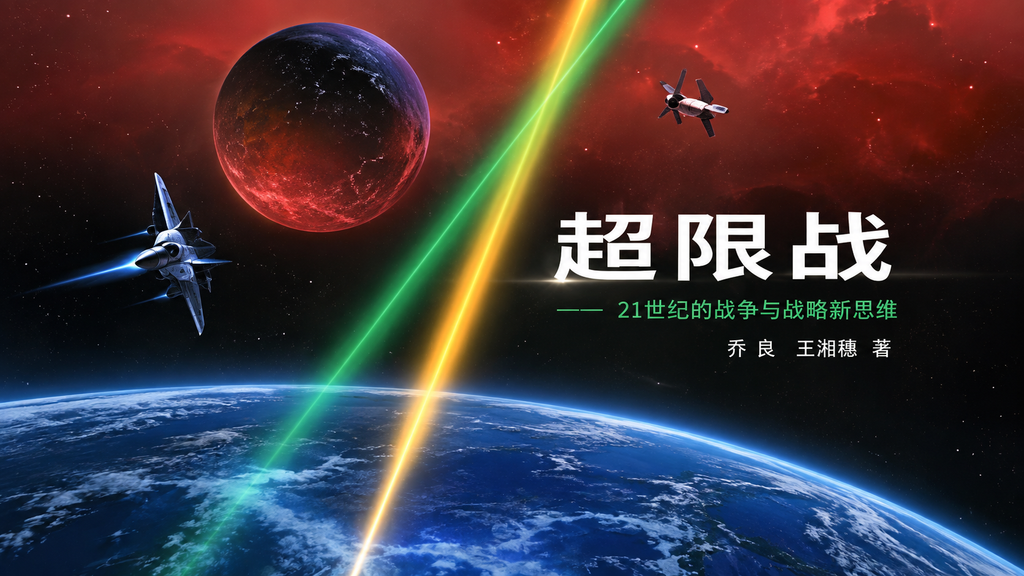
In 1999, two PLA senior colonels, Qiao Liang and Wang Xiangsui, published Unrestricted Warfare, arguing that a technologically weaker state could defeat a stronger one, the United States named explicitly, not through direct battle but through an unbounded combination of financial, legal, media, and cyber pressure, warfare with, in their words, no rules and nothing forbidden [8].

In February 2013, Russia’s chief of the general staff, General Valery Gerasimov, published an article that Western analysts would later nickname the “Gerasimov Doctrine,” arguing that the role of nonmilitary means in achieving political and strategic goals had grown to the point of exceeding the effectiveness of weapons themselves [9].
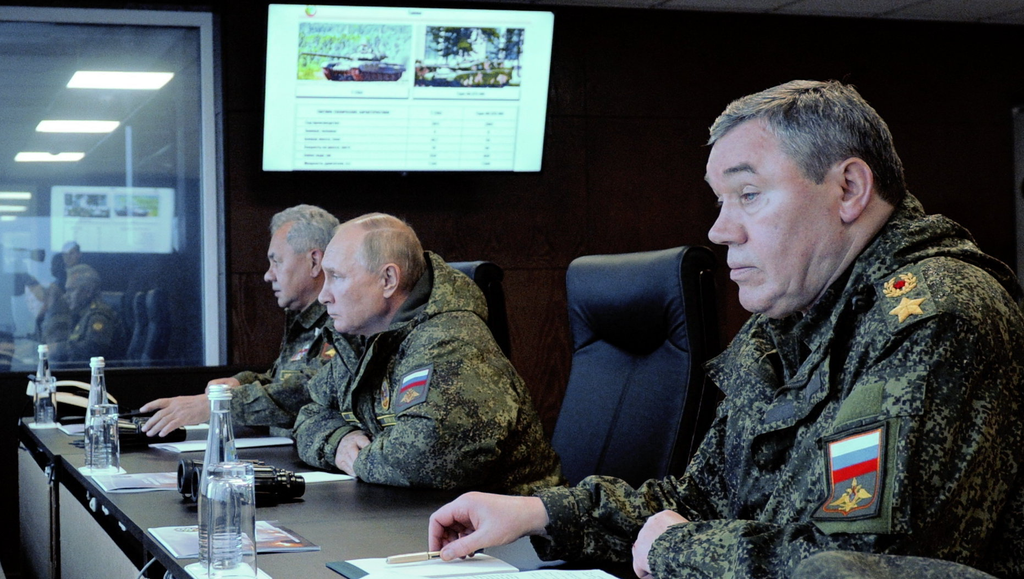
None of these theorists were describing the same war. But American, Chinese, and Russian military establishments arrived, from different starting points, at nearly the same insight that the most efficient contest of the current era is the one fought below the level that forces a formal reckoning. Grey zone conflict is not a Western invention that other powers copied; it is closer to a convergent strategy, discovered separately.
None of this is new in substance, in any of these traditions. Covert action, proxy sponsorship, disinformation, and economic pressure have been tools of statecraft for centuries; Mazarr himself notes that many grey zone techniques, including support for insurgent militias, have been used for millennia [10]. What marks the current era is the degree to which these tools are now integrated into deliberate, whole-of-government campaigns, and it is intelligence services, in Washington, Beijing, Moscow, and Tehran alike, that plan, run, and protect that integration.
Older Than the Name
If grey zone tools have genuinely been used for “millennia,” as Mazarr’s line puts it, it is worth actually walking the timeline, not to crown a single inventor, since the pattern here is the same convergent one already seen among American, Chinese, and Russian theorists, but because tracing it in strict date order, from the earliest textual mentions through named kings to organized civilizations, shows how far back and how independently this behavior recurs.
The earliest layer is scriptural rather than archaeological. The Hebrew Bible records two episodes of state-directed espionage and deliberate deception that, by the tradition’s own internal chronology, predate every other case in this piece. Mūsā (AS) dispatching twelve agents to reconnoiter Kanʿān before any invasion was attempted, and King Dāwūd planting his counselor Ḥūshāy inside the court of his rebellious son Abshālūm specifically to feed back false strategic advice [11]. These dates rest on tradition, so they belong on this timeline as the earliest recorded mentions of the practice in the Abrahamic textual tradition.
The earliest case that is independently corroborated by both sides of the conflict is the Battle of Kadesh (Qādesh), fought around 1274 BCE between Egypt and the Hittite Empire. Two captured Hittite agents, disguised as nomads, fed Pharaoh Ramesses II false intelligence that the Hittite army was still far to the north; Ramesses advanced his forces on that basis and marched into a prepared ambush, a near-disaster his own temple inscriptions later had to explain away as a personal triumph [12]. Because the episode is recorded independently in both Egyptian and Hittite sources, it has a strong claim to being the oldest verifiable deception operation in the military record, roughly six centuries before the next landmark on this list.
That next landmark is the Neo-Assyrian Empire. In 672 BCE, King Esarhaddon imposed an empire-wide loyalty covenant that formally obligated his subjects to monitor one another, and themselves, for signs of disloyalty and report it back to the crown, building on an existing network of informers his court had already used to uncover and crush a succession conspiracy. It is one of the oldest surviving examples of a state trying to systematize surveillance and informant networks as a matter of written policy, rather than ad hoc royal suspicion [13].
Roughly two centuries after that, in China, Sun Tzu’s Art of War devotes an entire chapter to the use of spies, classifying five distinct types of agents and arguing that the intelligence they provide is the cheapest possible path to victory, a direct ancestor, in spirit, of the same PLA tradition that would produce Unrestricted Warfare over two thousand years later [14].
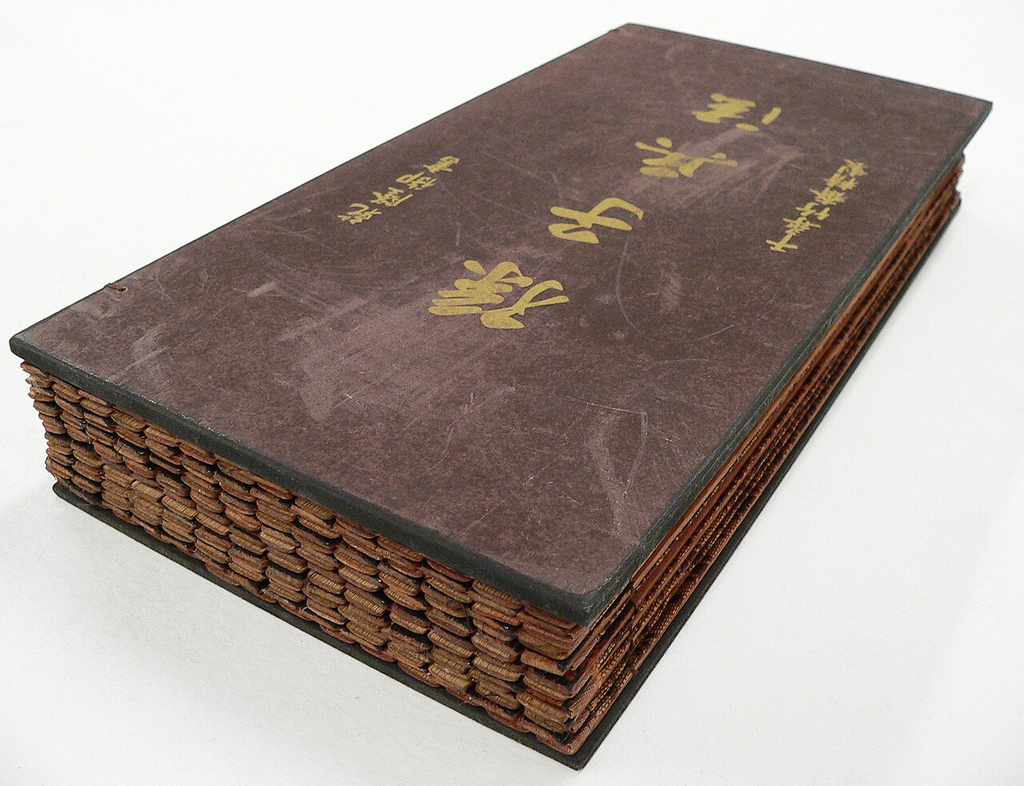
Roughly a century after that, in South Asia, Kautilya’s Arthashastra prescribes an elaborate secret-agent system as a routine instrument of government. Covert operatives disguised as ascetics, merchants, students, and poisoners, tasked with destabilizing a rival court from within rather than meeting it on a battlefield [15].
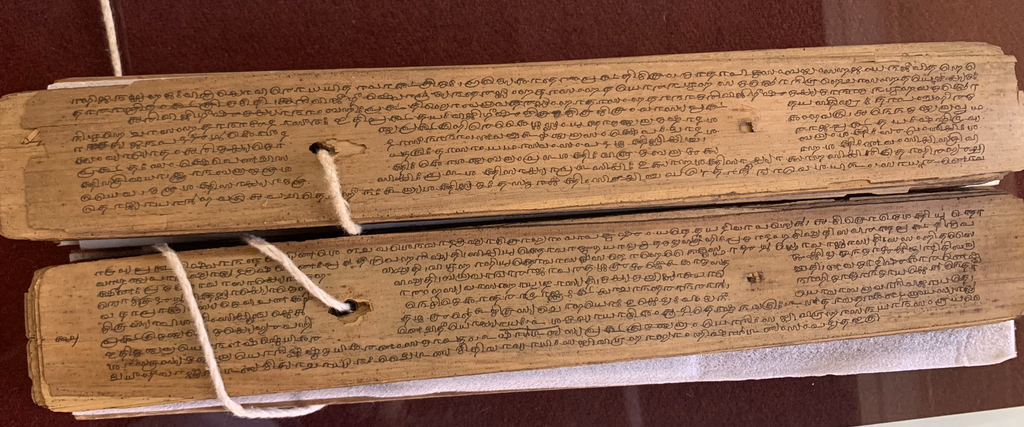
Centuries later still, the Byzantine Empire built an entire diplomatic tradition around subsidies, dynastic marriages, calculated ambiguity, and the selective sowing of discord among rival powers to avoid wars it could not afford, a style of statecraft so distinctive that “Byzantine” itself became, and remains, an English word for convoluted, indirect scheming. Overlapping with and outlasting Byzantium’s own rise, the record after the advent of Islam in the 7th century CE adds two specific, well-documented contributions of its own.
The first is tactical. During the siege of Medina in 627 CE (5 AH), known as the Battle of the Trench (Ghazwat al-Khandaq), a recent convert named Nu’aym ibn Mas’ud, still trusted by the besieging confederate tribes, offered his services to the Prophet Muhammad. The guidance recorded in the early biographical sources was blunt, war is deception, and Nu’aym acted on it by moving between the confederate camp and Medina’s Banu Qurayza, feeding each side contradictory claims about the other’s intentions until the alliance’s trust collapsed from within and the siege was abandoned without a decisive battle [16]. It is, remarkably for an episode this old, a documented disinformation operation with a named operative, a clear method, and a traceable strategic outcome. This is the kind of evidentiary detail modern grey zone case studies rarely get to work with.
The second is institutional rather than tactical. From the 660s CE, the Umayyad Caliphate built the barid, formally a postal relay network but explicitly doubling as a domestic intelligence service: provincial postmasters reported not just official correspondence but the loyalty and conduct of local governors directly to the caliph, and contemporaries described the courier as carrying not only letters but secrets. The Abbasids, particularly under Harun al-Rashid, expanded this into one of the most sophisticated state intelligence bureaucracies of the early medieval world, centuries before comparable standing networks existed almost anywhere in Europe [17].
The timeline’s last pre-modern landmark belongs to the Mongol Empire in the 13th century CE. Genghis Khan and his successors routinely sent agents ahead of an advancing army to spread deliberately exaggerated accounts of massacres carried out against cities that had resisted, a calculated reputation, not simple cruelty, engineered so that the next city would surrender before a single Mongol soldier arrived [18]. Read start to finish, scripture, a dual-corroborated Bronze Age ambush, an Iron Age empire’s loyalty bureaucracy, two classical military treatises, a Byzantine diplomatic tradition, an early Islamic disinformation operation and postal-intelligence service, a medieval steppe empire’s terror-by-reputation, the throughline holds across every one of these civilizations and kingdoms. Deception and infrastructure, applied deliberately, have substituted for direct confrontation for as long as organized states have kept records at all.
Two Invasions, One Lesson
For four decades, the United States and the Soviet Union fought almost continuously without ever fighting each other directly, absorbing the violence into proxy wars from Korea to Angola to Afghanistan. Intelligence services including the CIA and the KGB above all, were the instruments of that restraint. This is the direct ancestor of what analysts now call the grey zone; the vocabulary is new, the logic is not.
Russia’s own recent history offers an unusually clean before-and-after. In August 2008, Moscow invaded Georgia overtly, using regular armed forces under Russian insignia and a publicly stated rationale of protecting Russian peacekeepers and South Ossetian civilians [19]. The operation achieved its goals but cost Russia diplomatically and confirmed exactly who had done what. Six years later, in February 2014, unmarked soldiers in green uniforms without insignia seized government buildings, airports, and military bases across Ukraine’s Crimean peninsula; Russian officials denied for a year that these were Russian troops at all before the president confirmed it on camera [20]. The same broad objective as Georgia, seizing and holding territory, was pursued through deniability instead of insignia. The military effect was similar. The political and legal cost was not [21].
Salami, Sliced Thin
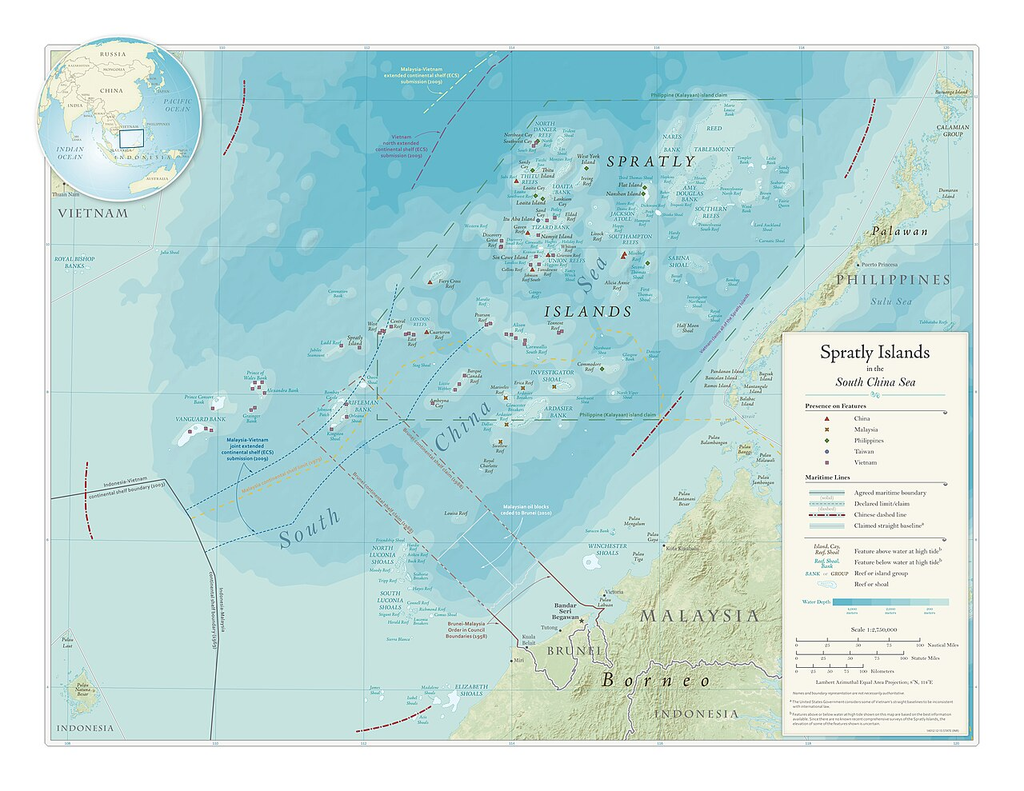
China offers a different grey zone signature, not a single decisive seizure, but thousands of small, individually deniable steps that add up to a changed map. Analysts trace the intensification of this pattern in the South China Sea to the 2012 Scarborough Shoal incident, after which Beijing built up a fleet of coast guard vessels and a People’s Armed Forces Maritime Militia, nominally civilian fishing boats, to patrol, block, and harass without ever firing the shot that would justify a military response [22]. China’s own official framing of this activity, consistent with the pattern this series has traced elsewhere, describes these vessels as engaged in routine law enforcement and the defense of sovereign maritime rights, not military coercion, a legal ambiguity that is itself one of the tactic’s core advantages [23]. Analysts call the broader pattern “salami slicing”: each individual slice too thin to fight over, the accumulated loaf gone before anyone agrees where to draw a line.
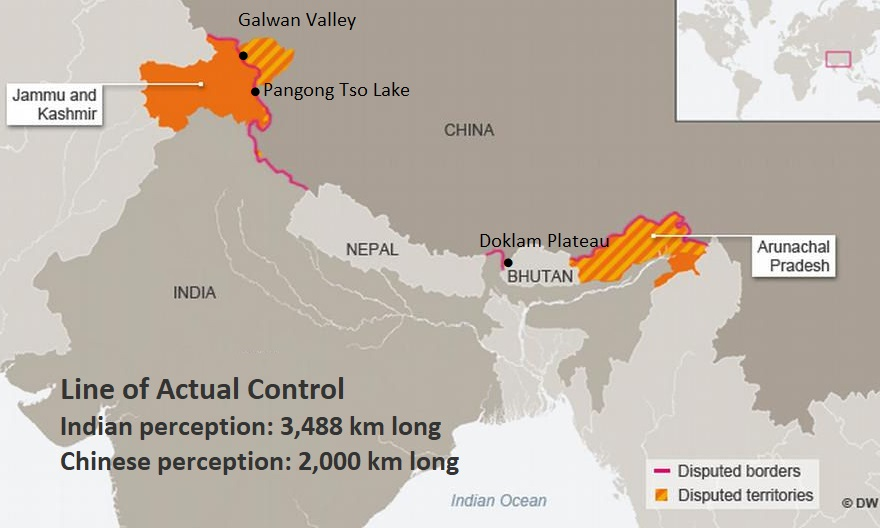
The same logic plays out on land, on China’s disputed frontier with India. During the 2017 Doklam standoff, Chinese army engineers began extending a road into a plateau claimed by Bhutan but strategically vital to India, prompting a 73-day military confrontation before both sides withdrew [24]. In 2020, a similar pattern of incremental construction along the Line of Actual Control in the Galwan Valley escalated into a night-time clash fought with clubs and stones rather than firearms, itself a grey zone constraint, since existing bilateral protocols bar the use of guns along that stretch of border.
The Fog Over Kashmir
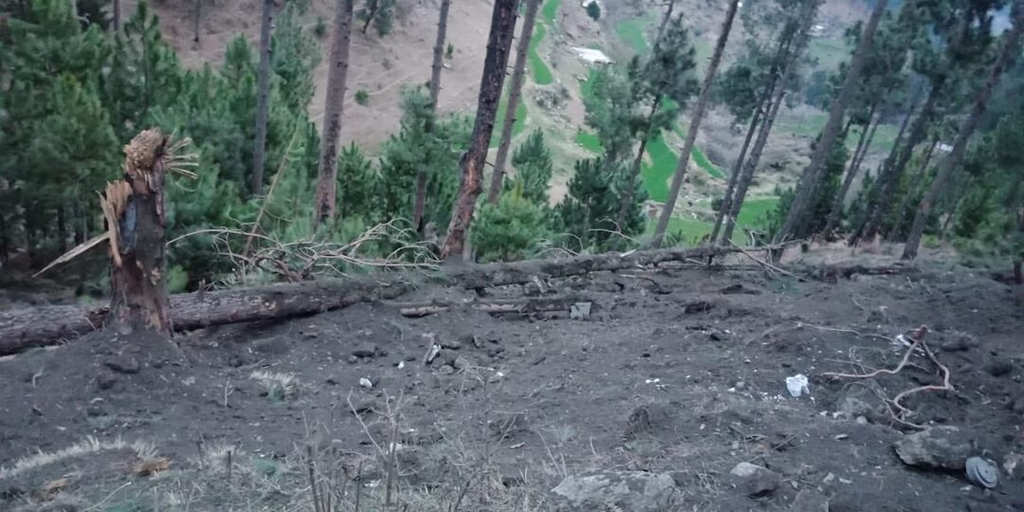
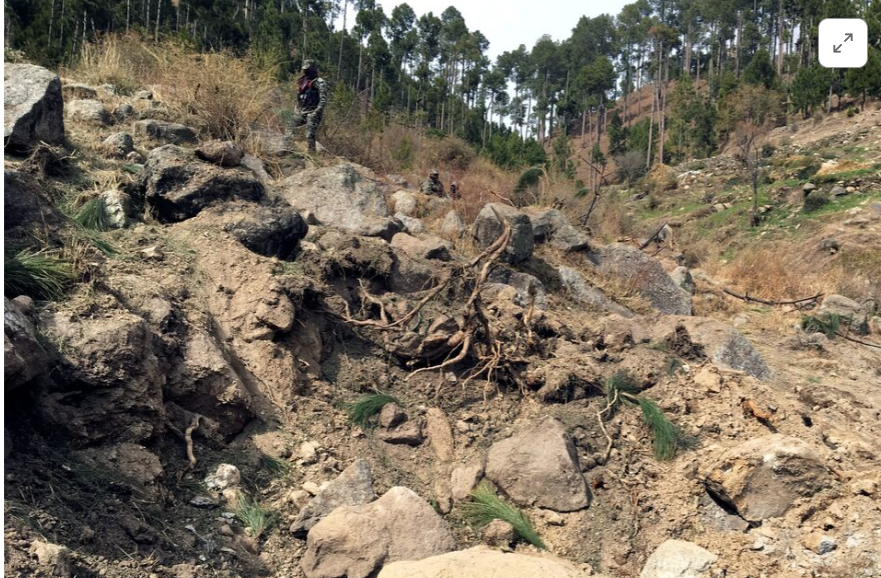
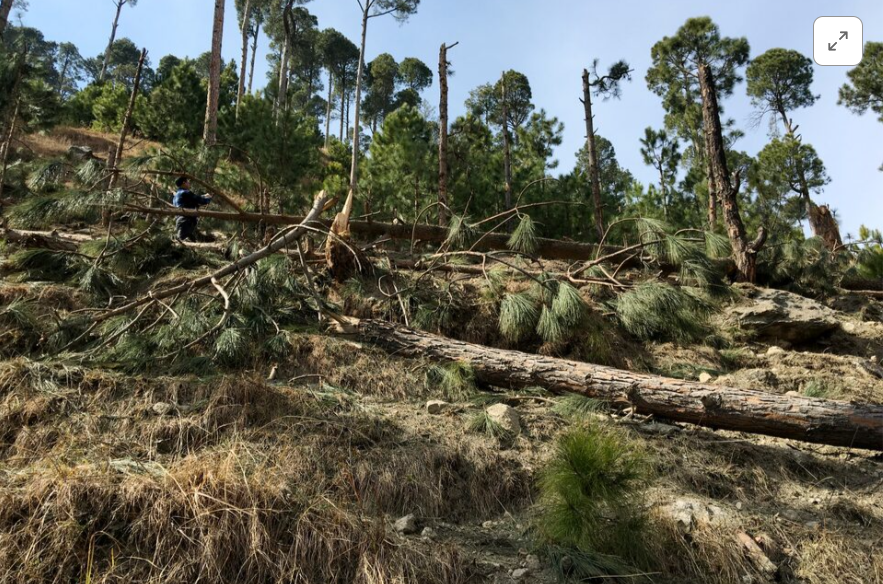
If Crimea shows how a state can dispute who was present, the 2019 Pulwama-Balakot crisis between India and Pakistan shows how a state can dispute what happened at all. After a February 14 suicide bombing killed 40 Indian paramilitary personnel in Kashmir, India struck what it described as a Jaish-e-Mohammed training camp near Balakot, Pakistan, claiming to have killed a large number of militants [25]. Pakistan’s official position was, and remains, that the strike hit an empty wooded hillside and killed no one [26]. Independent satellite imagery obtained by Reuters found no evidence that any structure of consequence had been destroyed [27]. A Pakistani retaliatory strike the next day, and the shooting down of an Indian jet, brought both nuclear-armed states closer to open war than at any point in two decades, while each government’s account of the preceding day remained, and remains, irreconcilable with the other’s.
That same fog of competing, state-sanctioned narratives runs through the wider Pakistan-Afghanistan-India triangle. Islamabad’s official position, stated by its foreign ministry, is that the Tehreek-e-Taliban Pakistan (TTP) and the Balochistan Liberation Army (BLA) are “declared enemies of the State of Pakistan” operating from sanctuary on Afghan soil, and that anyone sheltering them is not a friend of Pakistan [28]. Pakistani officials have also publicly linked New Delhi to support for these groups, an allegation India “strenuously denies” [29]. The Afghan Taliban, for its part, denies providing the TTP any sanctuary, and maintains the group’s presence on Afghan soil is an internal Pakistani matter rather than a foreign-policy one [30]. Independent monitors, including UN sanctions monitoring teams, have documented militant activity along the border without fully resolving whose account best fits the evidence [31]. Three governments, three official positions, no shared set of facts. This is the grey zone functioning exactly as designed, denying outside observers the clean narrative that would make a policy response easy to agree on.
Debt, Denied
Not every grey zone instrument involves soldiers or militants. In December 2017, Sri Lanka handed a 99-year lease on its Hambantota port to a Chinese state-linked company after struggling to service the debt used to build it, a deal US officials seized on as the textbook case of Chinese “debt-trap diplomacy” [32].


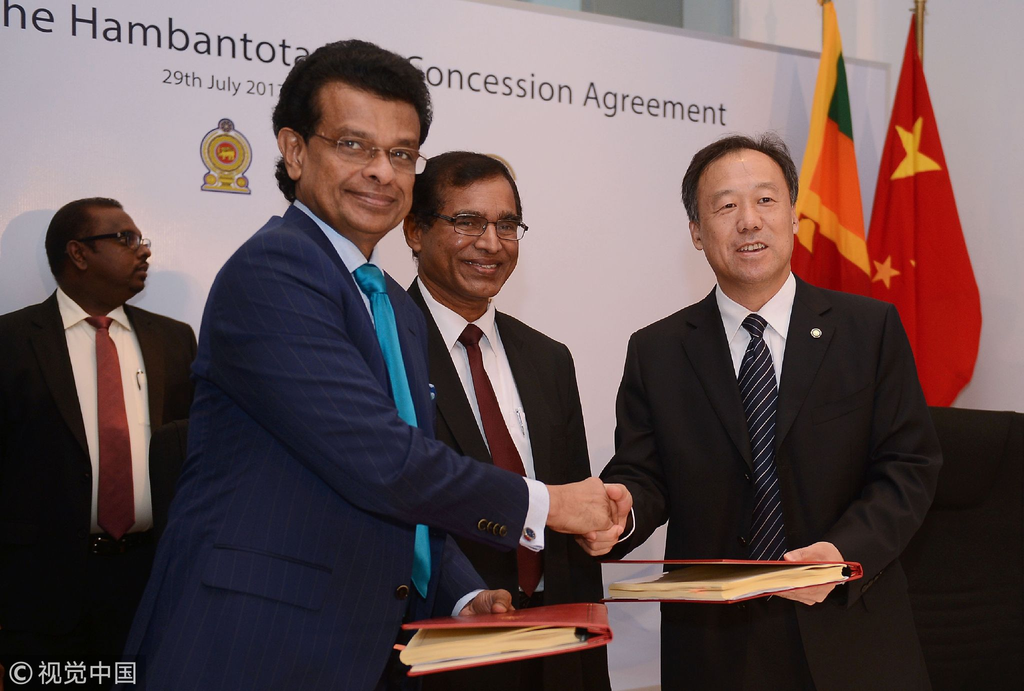
The picture is more contested than the label suggests. Sri Lankan officials and several independent analysts have pushed back hard on the debt-trap framing, pointing out that the 2017 lease was not a debt-for-equity swap, that the project was solicited by Sri Lanka’s own government, and that Chinese loans made up only a modest share of Sri Lanka’s total sovereign debt at the time [33]. This does not mean strategic intent played no role; the port overlooks key Indian Ocean shipping lanes. But it is a useful corrective for a series built on avoiding easy narratives. Economic coercion in the grey zone is often less a deliberate trap and more a byproduct of leverage a creditor state can choose, after the fact, to exploit.
Ports Without Guns
Bangladesh offers a gentler but no less strategic variant. As Sino-Indian rivalry has intensified, both powers have poured competing investment into the same handful of Bangladeshi ports. China financing upgrades at Chittagong and Mongla, India countering through its own credit lines and “Neighborhood First” financing, each side treating Dhaka’s infrastructure choices as a proxy indicator of allegiance [34]. No one here is threatening force; the contest is played out in loan terms and construction contracts. Yet several scholars argue this rivalry has so far worked in the smaller state’s favor. Dhaka playing Beijing and New Delhi off one another to extract better terms from both, a reminder that grey zone competition does not always disadvantage the state caught in the middle of it [35].
The Deniability Machine
Grey zone campaigns are rarely run by one institution, but intelligence and paramilitary structures sit at the center of nearly every documented case, because they are the only instruments built from the ground up to act deniably and every major power has built a different version of the same machine. In Russia’s case, this function has increasingly been outsourced to the Wagner Group and its successor, Africa Corps, trading security services and disinformation support for gold, diamond, and mineral concessions across Mali, the Central African Republic, Sudan, and Libya, allowing the Kremlin to pursue its African objectives while officially denying any connection to the group’s conduct on the ground [36][37].
The United States runs a parallel version of this machine through a different institutional channel: nominally independent, non-governmental organizations funded almost entirely by the state. The National Endowment for Democracy, created by Congress in 1983, was established explicitly to move work the CIA had previously done covertly into a nominally private, above-board channel; NED co-founder Allen Weinstein put it plainly in a 1991 interview: “a lot of what we do today was done covertly 25 years ago by the CIA” [38]. NED and grantees like it fund media outlets, labor unions, and civil-society groups in dozens of countries, officially in the name of democracy promotion. This is a framing the organization and the US government maintain consistently, while governments on the receiving end, from China to Russia to Venezuela, routinely describe the same funding as a regime-change tool operating under humanitarian cover.
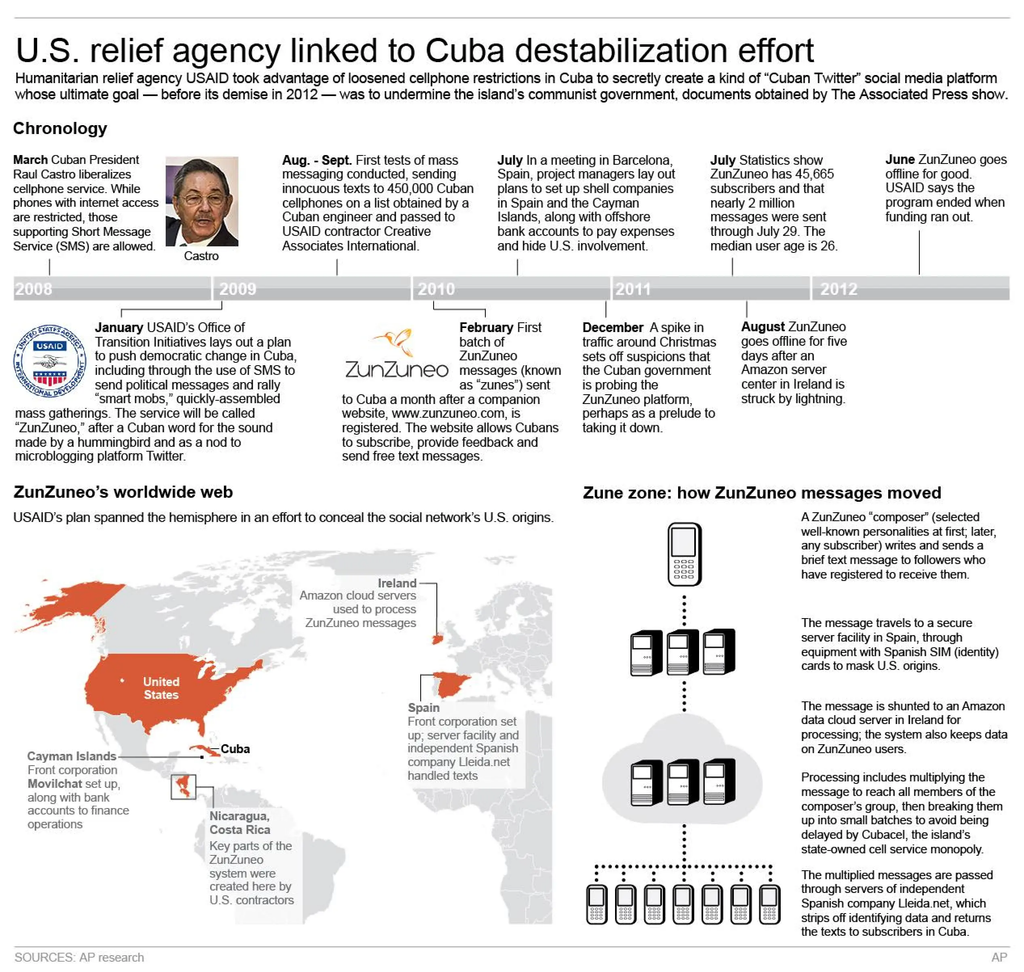
USAID’s own record includes at least one case that removes most of the ambiguity about intent. Between 2009 and 2012, the agency secretly built and funded ZunZuneo, a Cuban text-message social network run through shell companies and offshore accounts, designed, according to the agency’s own internal documents, later obtained by the Associated Press, to grow an ordinary-looking user base before introducing political content intended to trigger what one USAID document called “smart mobs” and to “renegotiate the balance of power between the state and society” [39]. USAID maintained the program was not covert in the legal sense, since it was never formally declared to Congress as covert action. The US senator who oversaw the relevant oversight committee called that distinction close to meaningless in practice.
American strategists describe a structurally similar role for US and allied special operations forces. A deniable or lightly acknowledged capacity to train partner forces and support unconventional warfare in the same operational space between diplomacy and declared war.[40] Iran’s version is the most elaborate of the three. Since the early 2000s the IRGC’s Quds Force has cultivated, trained, financed, and armed a multinational network of aligned but not fully controlled groups such as Hezbollah in Lebanon, an array of Iraqi militias, the Houthis in Yemen, that Tehran refers to collectively as the “axis of resistance,” allowing Iran to pressure, deter, and strike across an arc from the Mediterranean to the Arabian Sea without formally putting its own soldiers in the field [41]. The tools and the politics differ sharply by actor; the structural logic, outsourcing deniability to a force that is not quite the state and not quite independent of it, recurs across very different political systems.
Why Ambiguity Wins
The grey zone is attractive to a certain kind of state actor because it separates the benefits of aggression from its usual costs. American strategists describe the space as one of intense political, economic, informational, and military competition that nonetheless stays short of conventional war [42]. Gerasimov’s own explanation, from the Russian side of this literature, is more blunt. Nonmilitary means have simply become more effective than weapons at achieving political and strategic goals, which is precisely why a rational state would reach for them first [43]. Ambiguity is not a side effect of these campaigns. It is the load-bearing element, the mechanism that lets a state accumulate gains, incident by incident, while denying any single incident the target or its allies could point to and call an act of war.
Hunting Ghosts
Because deniability is the whole point of a grey zone operation, detection and attribution have become their own contested battlefield, and increasingly one where private citizens compete directly with governments. During the Crimea operation, open-source researchers used geolocation of social media photos and soldiers’ own posts to identify specific Russian units on the peninsula well before most governments were willing to say so on the record [44]. Reuters’ satellite analysis of the Balakot strike site performed a related function in reverse: testing a government’s own public claims about its actions rather than an adversary’s denial of them. Both cases point to the same pattern that formal diplomacy is often the last, not the first, actor to establish what actually happened.
An Open Question, Still Being Written
Return, to close, to Mohsen Fakhrizadeh’s highway outside Tehran. For roughly seventeen years after Operation Ajax, and for most of the seventy-odd years since, the contest between Iran and its adversaries stayed in the grey zone: coups, sabotage, cyber operations, and targeted killings, each individually deniable, each calibrated to avoid the kind of response that would force an open reckoning. That changed in February 2026, when strikes killed Iran’s supreme leader outright and the two sides exchanged direct, acknowledged military force for the first time in the modern era of this conflict [45]. A ceasefire followed. It has not fully held. As of this writing, both sides continue to trade strikes over alleged violations, and no durable settlement is in sight.
That leaves an open question this piece cannot answer, only pose. Once a decades-long shadow war tips into acknowledged, open conflict, does the grey zone simply end or does it reassert itself at a lower altitude the moment the ceasefire holds even briefly, through the same tools of assassination, sabotage, and proxy pressure that built the conflict in the first place? Every case explored in this piece, from Crimea to the Line of Actual Control to the Bay of Bengal, suggests a state rarely abandons grey zone methods once it has open war as an alternative; more often, it runs both in parallel, using each to manage what the other cannot. Whether that turns out to be true of Iran and its adversaries in the months ahead is, unlike everything else in this piece, not yet a matter of historical record.
[1]“Mossad Killed Iran’s Top Nuke Scientist with Remote-Operated Machine Gun,” The Times of Israel, reporting on The New York Times investigation, 2021, https://www.timesofisrael.com/mossad-killed-irans-top-nuke-scientist-with-remote-operated-machine-gun-nyt/.
[2]“1953 Coup in Iran,” Encyclopaedia Britannica; and “Declassified Documents Reveal CIA Role in 1953 Iranian Coup,” NPR, 2013, https://www.npr.org/2013/09/01/217976304/declassified-documents-reveal-cia-role-in-1953-iranian-coup, on the CIA’s 2013 acknowledgment of its role in Operation Ajax; https://nsarchive2.gwu.edu/NSAEBB/NSAEBB435/
[3]“Stuxnet Was Work of US and Israeli Experts, Officials Say,” The Washington Post, June 1, 2012, https://www.washingtonpost.com/world/national-security/stuxnet-was-work-of-us-and-israeli-experts-officials-say/2012/06/01/gJQAlnEy6U_story.html.
[4]“Conflict with Iran,” Global Conflict Tracker, Council on Foreign Relations, accessed September 2, 2026, https://www.cfr.org/global-conflict-tracker/conflict/confrontation-between-united-states-and-iran, on the February 2026 US-Israeli strikes that killed Iran’s supreme leader and the fragile Pakistan-mediated ceasefire that followed.
[5]Michael J. Mazarr, Mastering the Gray Zone: Understanding a Changing Era of Conflict (Carlisle, PA: US Army War College Press, 2015), 2, https://press.armywarcollege.edu/monographs/428/.
[6]Mazarr, Mastering the Gray Zone, 2–3.
[7]Frank G. Hoffman, Conflict in the 21st Century: The Rise of Hybrid Wars (Arlington, VA: Potomac Institute for Policy Studies, 2007).
[8]Qiao Liang and Wang Xiangsui, Unrestricted Warfare (Beijing: PLA Literature and Arts Publishing House, February 1999), written by two PLA senior colonels to describe how a technologically weaker state could compel a stronger one — the United States, explicitly — to submit through political, economic, and informational means rather than direct military confrontation.
[9]General Valery Gerasimov, “The Value of Science Is in the Foresight: New Challenges Demand Rethinking the Forms and Methods of Carrying Out Combat Operations,” Voyenno-Promyshlennyy Kurier, February 26, 2013, trans. Robert Coalson, reprinted in Military Review, January–February 2016, https://www.armyupress.army.mil/portals/7/military-review/archives/english/militaryreview_20160228_art008.pdf.
[10]Mazarr, Mastering the Gray Zone, 2.
[11]Numbers 13:1–33 (Moses dispatching twelve agents to reconnoiter Canaan) and 2 Samuel 15:32–37 and 17:1–16 (David’s agent Hushai feeding deliberately bad counsel to Absalom’s court), Hebrew Bible, as recorded in the received text; dates for the underlying events are traditional and not independently attested outside scripture.
[12]“Battle of Kadesh,” Wikipedia; and Trevor R. Bryce, The Kingdom of the Hittites (Oxford: Oxford University Press, 1998), on the 1274 BCE battle, in which two captured Hittite agents disguised as nomads fed Ramesses II false intelligence that the Hittite army was still far to the north, drawing Egyptian forces into an ambush — an episode corroborated independently by both Egyptian temple inscriptions and Hittite archives.
[13]Poppy Tushingham, “Creating an Empire of Informers: Vigilance in the Assyrian Empire and King Esarhaddon’s adê-Covenant of 672 BC,” Vigilanzkulturen / Cultures of Vigilance, vol. 10 (Berlin/Boston: De Gruyter, 2024), on Esarhaddon’s empire-wide informer network and the 672 BCE covenant obligating subjects to monitor and report on one another and on suspected conspirators.
[14]Sun Tzu, The Art of War, ch. 13, “On the Use of Spies” (China, c. 5th century BCE), which classifies five types of agents and argues that foreknowledge obtained through espionage is the least costly path to victory.
[15]Kautilya, Arthashastra, Book I, chs. 11–12 and Book XIII (composed in stages, roughly 4th century BCE to 2nd century CE), which catalogs categories of covert agents (spies posing as ascetics, merchants, students, and poisoners) as routine instruments of statecraft.
[16]“Battle of the Trench,” Wikipedia; and “Nuaym ibn Masud,” Wikipedia, accessed September 2, 2026, both drawing on Ibn Hisham’s Sira, on Nu’aym ibn Mas’ud’s role in sowing distrust between the confederate tribes and the Banu Qurayza during the siege of Medina in 627 CE (5 AH).
[17]“Barid,” Wikipedia; “BARĪD,” Encyclopaedia Iranica; and Adam Ali, “The Mailman Was a Spy: Espionage in the Medieval Islamic World,” Medievalists.net, 2025, on the barid’s dual function as both postal relay and intelligence service under the Umayyad and Abbasid caliphates.
[18]“Genghis Khan,” Encyclopaedia Britannica, on the Mongol practice of dispatching agents ahead of an advancing army to spread deliberately exaggerated accounts of past massacres, inducing cities to surrender without a fight.
[19]“From Little Green Men to Little Blue Helmets,” Modern War Institute at West Point, November 2, 2021, https://mwi.westpoint.edu/from-little-green-men-to-little-blue-helmets-imagining-the-future-of-russian-aggression-and-what-to-do-about-it/.
[20]“Russian Occupation of Crimea,” Wikipedia, accessed September 2, 2026; and “From ‘Not Us’ To ‘Why Hide It?’: How Russia Denied Its Crimea Invasion, Then Admitted It,” RFE/RL, February 26, 2019.
[21]“From Little Green Men to Little Blue Helmets,” Modern War Institute at West Point, November 2, 2021, https://mwi.westpoint.edu/from-little-green-men-to-little-blue-helmets-imagining-the-future-of-russian-aggression-and-what-to-do-about-it/.
[22]“Beijing’s ‘Gray Zone’ Tactics in the South China Sea,” Radio Free Asia, 2023, https://www.rfa.org/english/news/southchinasea/gray-zone-tactics-06302023145220.html.
[23]“China’s Grey-Zone Tactics Are Reshaping the South China Sea,” Modern Diplomacy, December 2, 2025, https://moderndiplomacy.eu/2025/12/02/chinas-grey-zone-tactics-are-reshaping-the-south-china-sea/, on Beijing’s coast guard and maritime militia operating under an official “law enforcement” framing rather than a military one.
[24]Srini Sitaraman, “China’s Salami Slicing Tactics and the India-China Standoff,” Security Nexus Perspectives, Daniel K. Inouye Asia-Pacific Center for Security Studies, https://dkiapcss.edu/wp-content/uploads/2020/06/N2502_Sitaraman_Salami_Slicing_China.pdf.
[25]“Three Years After Balakot: Reckoning with Two Claims of Victory,” Stimson Center, November 16, 2022, https://www.stimson.org/2022/three-years-after-balakot-reckoning-with-two-claims-of-victory/.
[26]“Three Years After Balakot: Reckoning with Two Claims of Victory,” Stimson Center, November 16, 2022, https://www.stimson.org/2022/three-years-after-balakot-reckoning-with-two-claims-of-victory/.
[27]“We Cut Through The Conflicting Claims And Misinformation Surrounding India’s Strikes On Pakistan,” The War Zone, March 7, 2019, citing Reuters’ analysis of Planet Labs satellite imagery.
[28]“Statement by the Spokesperson,” Ministry of Foreign Affairs, Government of Pakistan, November 9, 2025, https://mofa.gov.pk/press-releases/statement-by-the-spokesperson-8.
[29]“Afghanistan, December 2025 Monthly Forecast,” Security Council Report, November 30, 2025, on Pakistan’s accusation that India supports the Taliban and TTP, which India “strenuously denies.”
[30]“Pakistan, Afghanistan to Resume Talks Amid Tensions over Border Clashes,” Al Jazeera, October 30, 2025, on the Afghan Taliban’s denial that it shelters the TTP.
[31]“Pakistan: Responding to the Militant Surge on the Afghan Border,” International Crisis Group, 2026, https://www.crisisgroup.org/rpt/asia-pacific/pakistan-afghanistan/354-pakistan-responding-militant-surge-afghan-border.
[32]“Game of Loans: How China Bought Hambantota,” Center for Strategic and International Studies, https://www.csis.org/analysis/game-loans-how-china-bought-hambantota.
[33]“The Hambantota Port Deal: Myths and Realities,” The Diplomat, January 16, 2020; and Georgetown Journal of International Affairs, “Questioning the Debt-Trap Diplomacy Rhetoric Surrounding Hambantota Port,” June 5, 2021.
[34]“Dragon’s Descent: Potential Surge of Chinese Investments in Southern Bangladesh,” Observer Research Foundation, May 3, 2024.
[35]“Sino-India Rivalry for Port Dominance in Bangladesh,” 9DASHLINE, April 24, 2024.
[36]“Wagner Group, Yevgeniy Prigozhin, and Russia’s Disinformation in Africa,” US Department of State, 2022.
[37]“What Is Russia’s Wagner Group Doing in Africa?” Council on Foreign Relations, May 23, 2023.
[38]“National Endowment for Democracy,” Wikipedia, on NED’s founding in 1983 and co-founder Allen Weinstein’s 1991 statement to The Washington Post: “A lot of what we do today was done covertly 25 years ago by the CIA.”
[39]“‘Cuban Twitter’: What Was USAID Thinking?” The Christian Science Monitor, April 8, 2014; and “US Secretly Created ‘Cuban Twitter’ to Stir Unrest,” Associated Press, reported via PBS NewsHour, April 3, 2014, on USAID’s ZunZuneo program and its stated goal to “renegotiate the balance of power between the state and society.”
[40]Joseph L. Votel, Charles T. Cleveland, Charles T. Connett, and Will Irwin, “Unconventional Warfare in the Gray Zone,” Joint Force Quarterly 80 (1st Quarter 2016): 101–109.
[41]“Iran’s Regional Armed Network,” Council on Foreign Relations, on the IRGC Quds Force’s coordination of Hezbollah, Iraqi militias, the Houthis, and other groups Tehran refers to collectively as the “axis of resistance.”
[42]Votel et al., “Unconventional Warfare in the Gray Zone,” 102.
[43]Gerasimov, “The Value of Science Is in the Foresight,” 2013: “The role of nonmilitary means of achieving political and strategic goals has grown, and, in many cases, they have exceeded the power of force of weapons in their effectiveness.”
[44]“Little Green Men (Russo-Ukrainian War),” Wikipedia, accessed September 2, 2026, on InformNapalm’s use of crowdsourced geolocation to identify unmarked Russian units.
[45]“Conflict with Iran,” Global Conflict Tracker, Council on Foreign Relations, accessed September 2, 2026, https://www.cfr.org/global-conflict-tracker/conflict/confrontation-between-united-states-and-iran, on the February 2026 US-Israeli strikes that killed Iran’s supreme leader and the fragile Pakistan-mediated ceasefire that followed.