
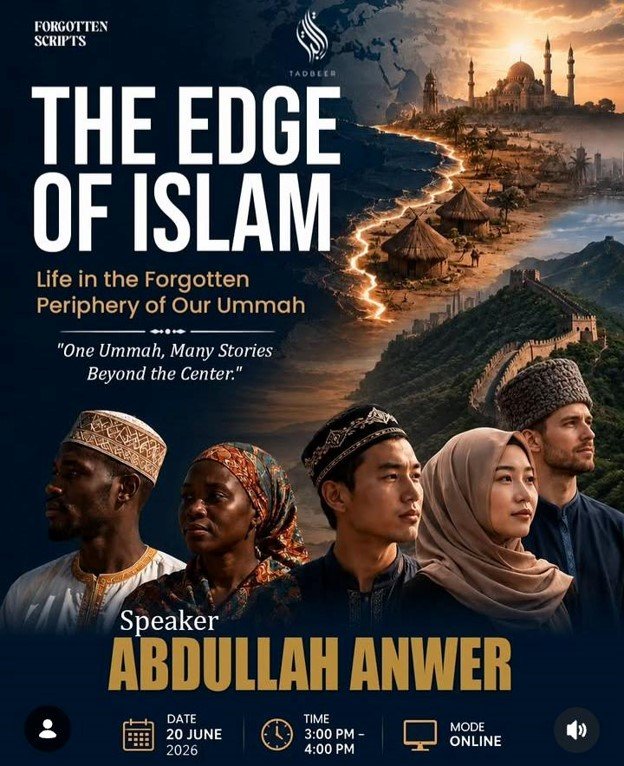
Hosted by TADBEER Institute, speaker Syed Abdullah Anwar delivered a profound lecture series titled ‘Know Your Ummah,’ exploring the foundational identity, rich history, and future direction of the global Muslim community. The session establishes that the Ummah is defined not by geography, ethnicity, or national borders, but by shared submission to Allah and adherence to the Sunnah.
By examining historical political structures, colonial subversion, and modern globalist threats, the series demonstrates how Islam serves as the sole binding force capable of uniting diverse societies. Ultimately, the discourse serves as a crucial reminder that true honor and sovereignty for Muslims lie exclusively in upholding their divine worldview rather than adopting external ideological frameworks.
It breaks down the core conceptual principles of Muslim identity, traces historical modes of Islamic governance and resistance to colonial control, evaluates modern models of Islamization, and addresses contemporary globalist challenges.
Full Event Breakdown & Discussion Summary
1. The Foundation of Islamic Identity & Core Characteristics
The Ummah is defined as a global community united by belief and submission to Allah, transcending racial, national, and ethnic boundaries. It operates as a single body designed to benefit humanity through promoting good and forbidding evil, with diversity functioning as a means of mutual recognition rather than division. Historically, leaders across the globe maintained deep interconnectedness, recognizing central intellectual figures like Allama Iqbal in guiding modern Islamic thought.
2. Historical Governance, Leadership Selection & Polities
Islamic governance historically utilized diverse methods for choosing leadership, including Bay’ah (pledges of allegiance), strategic nominations, consultative Shura councils, and popular acclamation. The session notes that the Ummah has successfully coexisted under simultaneous political empires—such as the Ottoman, Safavid, and Mughal polities—proving that spiritual unity can thrive alongside varied governance structures, while cautionary historical events like Sultan Murad V’s short reign highlight the risks of external ideological compromise.
3. Colonial Impact, Ideological Resistance & Pakistan’s Mandate
Colonial powers attempted to dismantle Islamic governance and identity by installing artificial native elites, yet persistent resistance movements maintained distinct Islamic traditions. Within this context, Pakistan stands out as an ideological state rather than an ethnic entity, envisioned by figures like Muhammad Ali Jinnah, Allama Iqbal, and Muhammad Asad as a sanctuary rooted in divine principles rather than Western secular nationalism.
4. Modern Globalist Threats, Extremism & Structural Models
The discourse contrasts pragmatic, gradualist models of Islamization like Turkey and Malaysia with Pakistan’s top-down legislative efforts, while warning against modern globalist trends such as digital surveillance, Agenda 2030, and techno-philism that threaten the Islamic worldview. Additionally, extremist groups like Al-Qaeda and ISIS are explicitly critiqued as destructive forces that undermine the Ummah’s stability and integrity.
5. Ultimate Conclusion & Principle of Honor
Anchored in the famous declaration of Hazrat Umar (RA), the session concludes with a timeless principle: true honor for Muslims lies exclusively in Islam. Seeking dignity or validation through alternative political or social ideologies leads only to disgrace and external subversion.
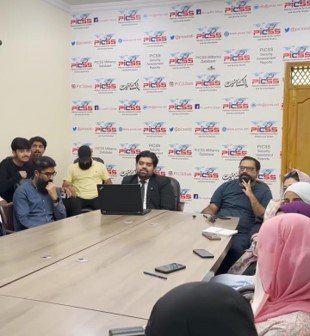
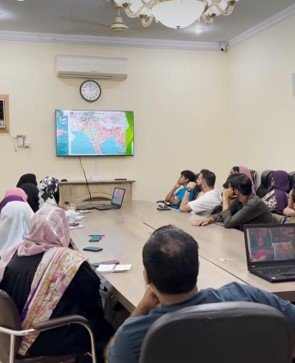
Highlights from the session:
6. Session Logistics & Event Details
• Lecture Title: Know Your Ummah
• Organized by: TADBEER Institute
• Featured Speaker: Syed Abdullah Anwar
• Core Focus: Islamic Identity, Historical Polities, Colonial Resistance, Ideological Foundation of Pakistan, and Modern Global Challenges